


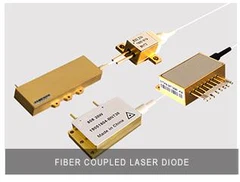
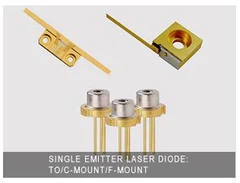


Laser cladding technology uses a laser to melt and coat the surface of a part. The metal powder nozzle then transports the metal powder to the melting pool to form a metallurgical pool. Laser lenses and metal powder nozzles move across the surface of the workpiece, creating a single-pass, single-layer or more complex welded structure.
Since the introduction in the 1890s, laser cladding technology has become increasingly popular for turbine repair, in part because of price declines. Laser cladding means that the selected coating material is placed on the surface of the substrate to be coated by different laser irradiation to be melted simultaneously with a thin layer of the surface of the substrate, and rapidly solidified to form a very low dilution. A surface coating that is metallurgically bonded to the substrate to significantly improve the wear, corrosion, heat, oxidation and electrical properties of the surface of the substrate to achieve surface modification or repair, which not only meets the surface specificity of the material. The performance requirements save a lot of valuable elements. Initially, lasers were expensive and laser cladding technology was a high investment for technicians. However, new laser types, such as diodes, fiber optics, and discs, have evolved to the expense of laser cladding technology. Compared to conventional carbon dioxide or YAG lasers, these new lasers require less maintenance, high electrical efficiency, and no sensitive parts or optics. As a result, investment costs have been reduced by about half in the past five years.
In recent years, equipment in the petroleum, coal, steel, electric power, and aerospace industries has become aging, workpiece wear and scrap, and enterprises need a lot of money to replace parts of production equipment. At the same time, with the promotion and popularization of laser remanufacturing technology in petroleum, electric power, aerospace and other industries, and the successful development of intelligent and efficient laser remanufacturing systems, the laser remanufacturing market is expected to reach an industry scale of hundreds of billions.