




How Are Semiconductor Lasers Selected for Medical Aesthetics Based on Tissue Absorption Physics?
The application of semiconductor lasers in medical aesthetics and clinical surgery has shifted from empirical selection to precise optical tissue physics. By matching specific laser emission wavelengths to the spectral absorption peaks of primary skin chromophores-melanin, hemoglobin, and water-clinicians and system designers can achieve targeted therapeutic outcomes while protecting non-target tissue. Understanding these interaction mechanisms and thermal dynamics is essential for optimizing treatment efficacy and equipment design.
Optical Physics of Skin Tissue and Chromophore Absorption
Laser energy interaction with human skin relies on light absorption by primary endogenous chromophores, each presenting a distinct absorption spectrum across visible and infrared wavelengths.
Melanin Absorption Spectrum:
Melanin exhibits high absorption in the 600nm to 900nm optical window. This characteristic provides the physical foundation for hair removal lasers, allowing photon energy to target the hair follicle matrix containing high melanin concentrations.
Water Absorption Characteristics:
Water exhibits prominent absorption peaks near 1450nm and 1940nm in the near-infrared spectrum. High water absorption enables localized heating, tissue vaporization, and precision cutting with minimal lateral thermal spread.
Selective Photothermolysis Theory:
Formulated by Anderson and Parrish, this theory dictates that target tissue can be selectively destroyed without damaging surrounding structures by matching the laser wavelength to target chromophore absorption and setting the pulse duration shorter than or equal to the target's thermal relaxation time (TRT).
Wavelength Comparison in Laser Hair Removal Systems
Selecting hair removal wavelengths involves balancing light penetration depth against melanin absorption efficiency across different skin phototypes.
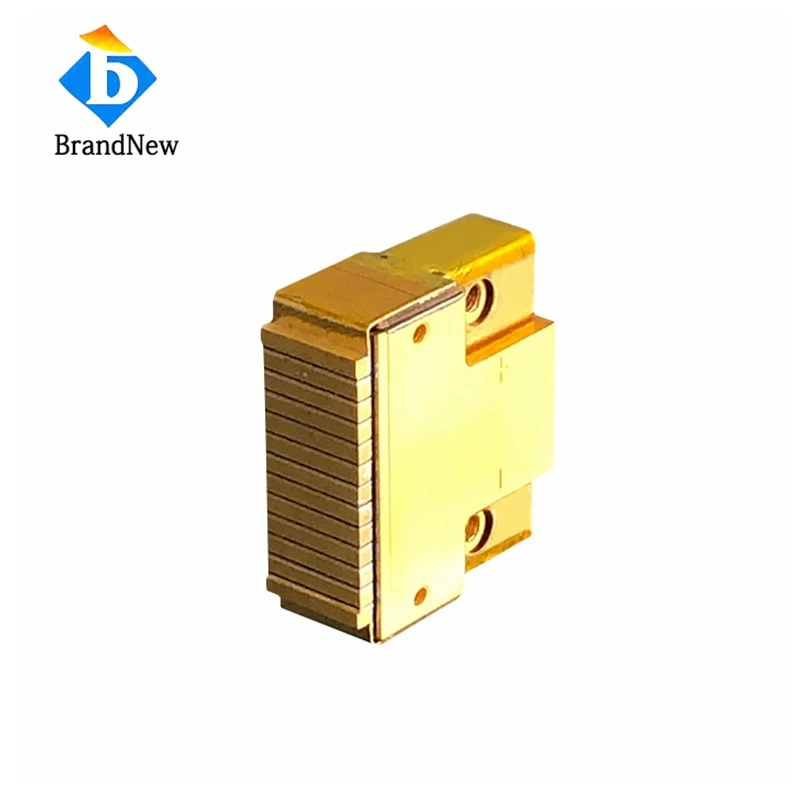
755nm Wavelength:
Delivers high melanin absorption, making it suitable for fine, light-colored hair and lighter skin types (Fitzpatrick I-III) where superficial absorption yields maximum thermal energy transfer.
808nm Wavelength:
Serves as the gold standard for laser epilation due to its balanced ratio between melanin absorption and tissue penetration depth, accommodating a broad range of skin tones and hair densities.
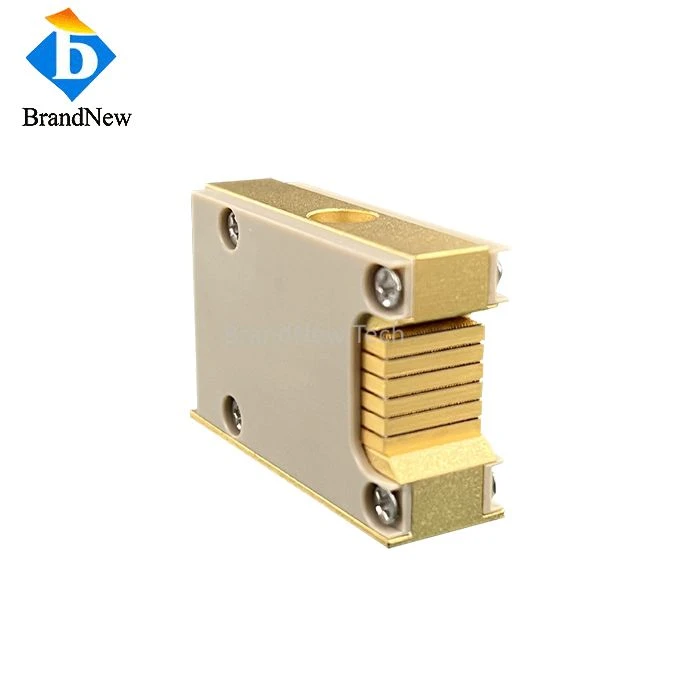
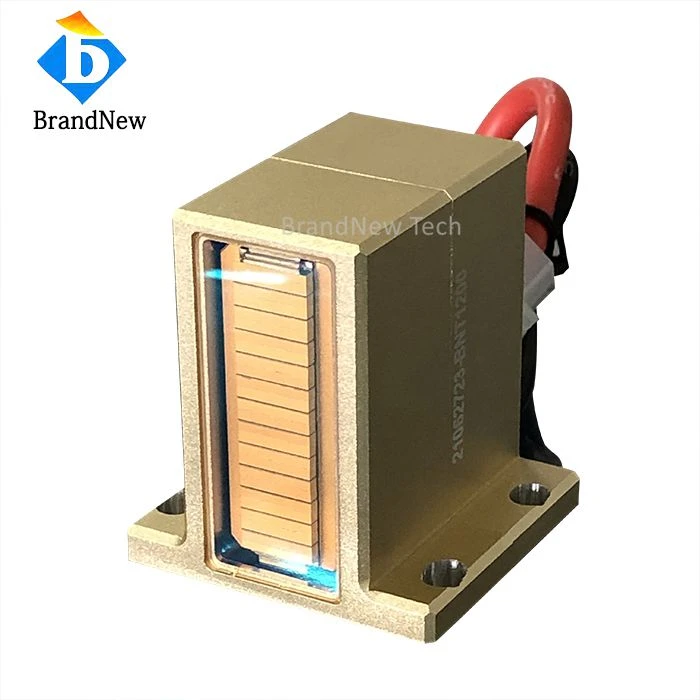
940nm and 1064nm Wavelengths:
Offer deeper optical penetration while reducing epidermal melanin absorption. These longer wavelengths reduce thermal injury risks in dark or tanned skin tones (Fitzpatrick IV-VI).
Pulse Width and TRT Matching:
Human hair follicles exhibit a thermal relaxation time between 10ms and 100ms. Modulating the diode laser pulse width within this specific window ensures localized thermal destruction of follicle stem cells without triggering thermal necrosis in adjacent dermal tissues.
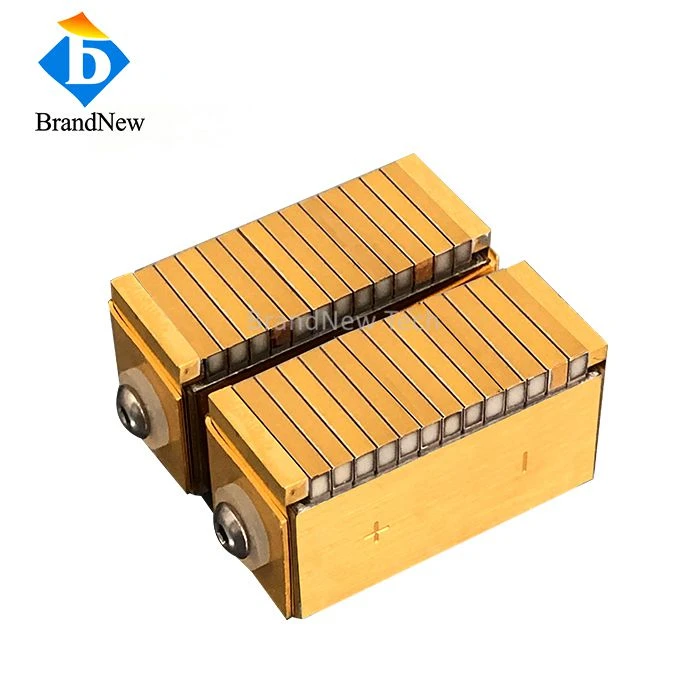
In soft tissue surgery and minimally invasive aesthetics, 1470nm and 1940nm semiconductor lasers rely on water-absorption thermodynamics rather than pigment targeting.
1470nm in Endovenous Laser Therapy (EVLT):
Operating near a moderate water absorption peak, 1470nm light targets intracellular water within vein walls, causing controlled thermal coagulation and vessel occlusion with minimal post-operative discomfort.
1940nm in Precision Vaporization:
Sitting precisely on a higher water absorption peak, 1940nm laser energy provides significantly higher energy absorption in water than 1470nm. This results in instant tissue ablation, razor-sharp cutting precision, and an extremely thin residual thermal coagulation zone.
Dual-Wavelength Combination Systems:
Combining 1470nm and 1940nm wavelengths in a single fiber delivery platform allows simultaneous tissue ablation and targeted hemostatic coagulation, enhancing surgical control during complex procedures.
Safety Standards and Compliance for Medical Laser Systems
High-power aesthetic and surgical semiconductor lasers require rigorous compliance with international optical safety standards and regulatory frameworks.
IEC 60825 Classification:
Medical diode lasers typically fall under Class 4 hazard classifications, necessitating integrated safety interlocks, optical beam delivery protection, and real-time power monitoring.
01
Fluence and Power Density Control:
Microprocessor-controlled pulse output ensures consistent fluence delivery (J/cm²), preventing localized thermal accumulation and skin burns.
02
Global Regulatory Approvals:
Medical aesthetic systems require medical-grade certification pathways, including clearance under FDA, CE, and NMPA standards prior to clinical deployment.
03
Transition to Semiconductor Diode Platforms:
Solid-state laser systems are increasingly being replaced by semiconductor diode lasers due to their higher wall-plug efficiency, compact footprint, reduced operational costs, and longer service lifespans.
04
FAQ

01.Should a clinic choose 755nm or 808nm for laser hair removal?
02.What advantages do semiconductor diode lasers hold over Alexandrite or Nd:YAG solid-state lasers?
03.Why is 1940nm preferred over 1470nm for soft tissue cutting?
Our address
RM1705, Building 2, Aoqiang Mansion, No. 6 Xiyuan 5th Rd
Phone Number
+ 86 181 5840 0345
wp@brandnew-china.com
