


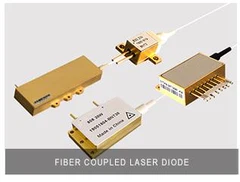
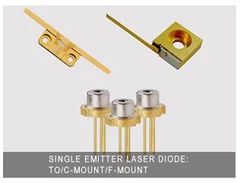


Single Bar Diode Laser is one of the most sensitive devices for static electricity in today's devices. General Single Bar Diode Lasers are equipped with instructions for use. If you are using the instructions, the Single Bar Diode Lasers have an extremely long service life because most of the causes of Single Bar Diode Laser damage In the event of incorrect operation or use of the device beyond the rated value. So at any time to take the Single Bar Diode Laser, should take appropriate electrostatic protection measures. Since Single Bar Diode Lasers have extremely high static sensitivity, they are not returned after unpacking. If the Single Bar Diode Laser to maintain the original package, you can return the goods, so before the purchase must have the correct use of Single Bar Diode Laser knowledge, you prevent unnecessary losses!
Pick up and store measures
1. Electrostatic bracelet: in the pick and place the Single Bar Diode Laser should be used to ground the anti-static bracelet.
The antistatic bracelet can safely remove static electricity from exposed Single Bar Diode Lasers, amplifiers, and other static-sensitive devices. The grounding wire contains 1 megohm of resistance to ensure the safety of the user. If the wrist strap is used with the electrostatic control platform pad, the anti-static effect will be better.
2. Anti-static pad: should be in the grounding of the anti-static pad on its operation.
Electrostatic relaxation time of 50 milliseconds, anti-static pad can protect sensitive optoelectronic devices from electrostatic discharge damage. The static relaxation time of these heavy pads is 50 milliseconds to ensure protection against extreme conditions. The electrostatic protective wrist strap is generally connected to the platform pad, and it is necessary to ground the operator through the wrist strap when touching sensitive electronic devices.
3. Single Bar Diode Laser storage: When the Single Bar Diode Lasers are not applicable, shorten the wires of the Single Bar Diode Lasers to prevent ESD damage.
Operation and safety measures
1 Use the appropriate drive:
The Single Bar Diode Laser requires precise control of the operating current and voltage to prevent Single Bar Diode Laser overload. In addition, the drive should provide protection against power transients. Based on the above considerations, the user should use the appropriate application of the device driver. A voltage source with a current limiting resistor can not be used and it can not provide adequate measures to protect the device.
2. Reflex:
The plane in the optical system before the Single Bar Diode Laser will cause a certain amount of photoSingle Bar Diode Laser in the energy reflector, thereby incorrectly giving a higher photoSingle Bar Diode Laser current. If the optical components in the system move, the reflected light can no longer be incident on the monitoring photoSingle Bar Diode Laser, and the horizontal power feedback circuit in the device will sense the decrease in the photoSingle Bar Diode Laser current and will drive the current through the booster to compensate for the photoSingle Bar Diode Laser Current, so that it is possible to over-drive. Back reflection also causes other faults and damage to the Single Bar Diode Laser. To prevent these damage, make sure that the surface of all devices has an inclination angle of 5-10 ° and, if necessary, attenuate the direct feedback of the optical isolator.
3. Voltage and current overload:
When using Single Bar Diode Lasers, care should be taken not to exceed the maximum voltage and drive current in the specification table, even if it does not exceed its specified value for a short period of time. In addition, even a 3 volt response voltage can damage the Single Bar Diode Laser.
4. ON / OFF and power supply coupling transient:
Since the Single Bar Diode Lasers have a very open response time, they are easily damaged in a transient of less than 1 microsecond. High current devices, such as soldering iron, vacuum pumps and fluorescent lamps, can cause severe transient transients. Therefore, the use of shock protection socket.
5. Power meter:
When setting and calibrating the Single Bar Diode Lasers through the drive, you can use a NIST traceable power meter to fine-measure the output. The measurement of the output of the device before the instrument is added to the optical system is usually the most secure measurement method. If this can not be done, make sure that all optical losses (transmissances, aperture stops, etc.) are taken into account when the total output of the determiner is considered.
6. Radiator:
The life of the Single Bar Diode Laser is inversely proportional to the operating temperature. Single Bar Diode Laser should be installed in the appropriate heat sink, which will be too much packaging on the packaging of heat and timely delivery out.
7.ESD sensitive devices:
At present, the operation of the Single Bar Diode Laser is extremely susceptible to ESD damage. This is especially true when long wiring is used between the Single Bar Diode Laser and its driver. Avoid exposing the device or its mounting device to an ESD environment at any time.